
Table of Contents
Introduction
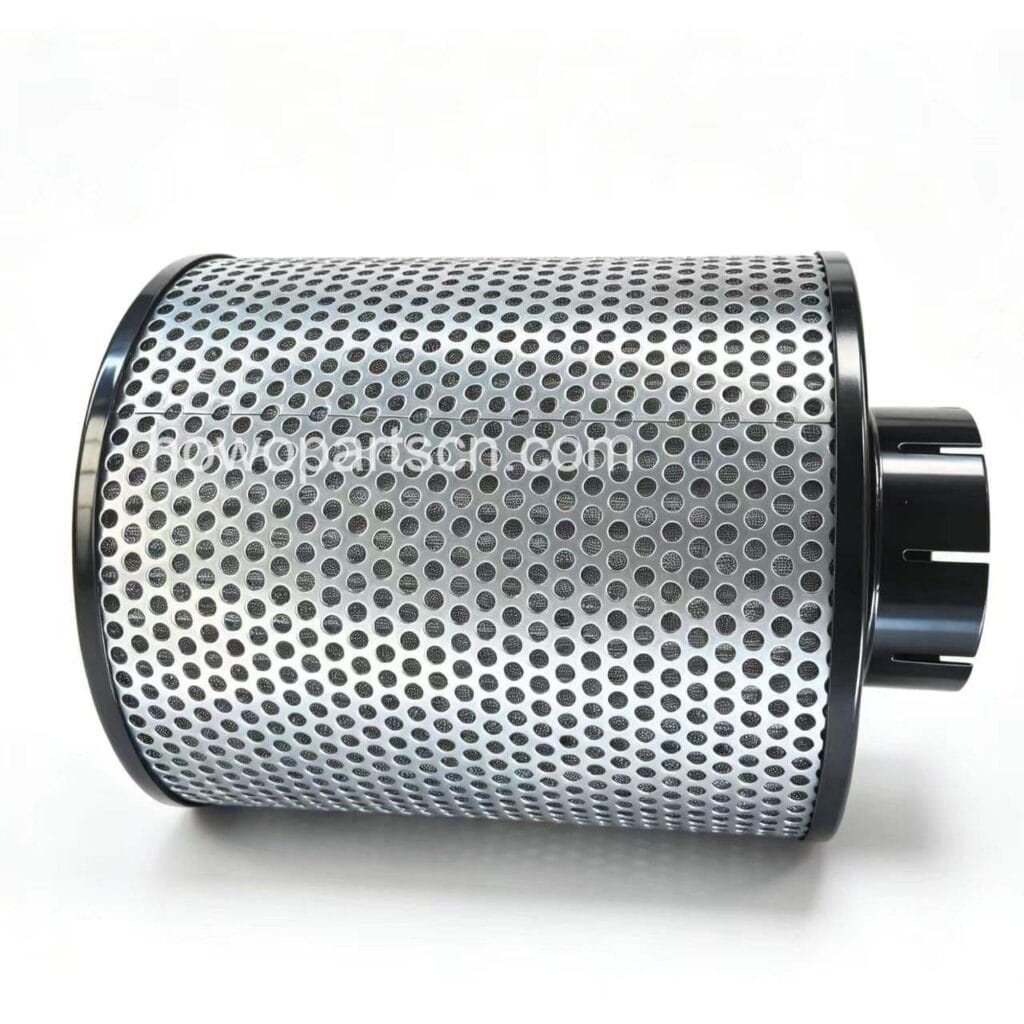
An engine air filter may be one of the simpler-looking components in a heavy truck, but the environment it protects is anything but simple. Every time a diesel engine operates, it draws a large volume of air through the intake system. That air can carry dust, fine particles, fibers, road debris, and other contaminants that should not reach the engine’s internal surfaces or turbocharger.
The job of the engine air filter is therefore not simply to make incoming air cleaner. It must remove unwanted particles while allowing the engine to receive the airflow required for combustion.
That balance makes air filtration an important part of engine-system maintenance.
A filter that cannot control contamination effectively leaves downstream components exposed. A filter or intake path with excessive restriction can interfere with normal airflow. A damaged seal can be even more deceptive because the filter element itself may look acceptable while unfiltered air travels around it.
Within the broader range of heavy-duty engine system components, the engine air filter is best understood as the first protective stage of the intake system rather than as an isolated maintenance item.
What Does an Engine Air Filter Actually Do?
The primary job of an engine air filter is to separate airborne particles from the air entering the engine.
For an internal-combustion engine, clean intake air matters because the air eventually reaches cylinders, valves, turbocharger components, and other surfaces where contamination can contribute to mechanical wear.
An air filter normally uses porous filter media that allows air to pass while trapping particles within or on the surface of the media.
In heavy-duty applications, the filter may be cylindrical or use another configuration suited to the intake housing. Some systems can also include a secondary or safety element depending on the design.
The filter is only one component of the intake system.
The housing must seal correctly around it. Ducts have to remain intact. Clamps must hold connections securely. Covers and sealing surfaces must prevent untreated air from bypassing the media.
For that reason, a clean-looking filter installed in a damaged intake housing does not necessarily provide effective filtration.
How Air Moves From the Filter to the Engine
Understanding the intake path makes engine air filter maintenance much easier.
A simplified heavy-duty diesel intake path can be represented as:
outside air → intake opening → air filter → intake duct → turbocharger compressor → charge-air system → intake manifold → cylinders.
The exact configuration varies by engine, but the principle remains the same.
Outside air first enters through an intake opening. Before that air can reach sensitive engine components, it passes through the filter media. The cleaned air then travels through ducts toward the turbocharger on turbocharged engines.
The turbocharger compressor increases the pressure of the intake air. Depending on the engine design, the compressed air then passes through a charge-air cooler before entering the intake manifold and cylinders.
Each connection along this path matters.
A crack in an intake duct downstream of the filter can allow contaminants into the system even when the filter itself is functioning correctly. A loose clamp can produce a similar problem.
This is why effective air-filter maintenance should follow the complete intake path rather than ending at the filter housing.
Why Clean Air Matters in Heavy-Duty Diesel Engines
Dust may appear harmless when viewed as individual particles, but many particles contain hard mineral materials capable of interacting with precision mechanical surfaces.
If contamination passes through the intake system, it can reach the turbocharger compressor and combustion chambers.
Inside the engine, piston rings move repeatedly against cylinder surfaces. Valves operate continuously. Turbocharger compressor wheels rotate at very high speed. These components are designed to work within controlled mechanical conditions.
Abrasive contamination can disturb those conditions.
Filtration is therefore a form of upstream protection. The filter removes contaminants before they can enter areas where inspection and maintenance become considerably more involved.
This concept applies beyond the cylinders.
Intake sensors, turbocharger components, ducts, and other downstream parts also benefit from a controlled intake environment.
The key maintenance question is not simply whether the engine air filter looks dirty. It is whether the entire intake system is still preventing unwanted material from reaching the engine.
How an Engine Air Filter Balances Filtration and Airflow
An engine needs air for combustion, so a filter cannot simply block everything moving through the intake.
It has to capture unwanted particles while still providing sufficient airflow.
Filter media achieves this through a carefully designed porous structure. Pleated filters increase the available media surface within a limited housing space. More usable surface area allows air to pass through a larger filtration area instead of forcing the entire airflow through a small flat section.
As contaminants accumulate in the filter media, airflow resistance can gradually increase.
This does not mean a filter should be judged purely by appearance. Some filters may hold substantial contamination while continuing to function within their intended operating range. Conversely, a damaged filter that looks relatively clean may no longer provide suitable protection.
Three characteristics should therefore be considered together:
filtration effectiveness, airflow condition, and structural integrity.
Ignoring any one of these can create an incomplete assessment.
Main Engine Air Filter Components and Their Functions
| Component | Main Function | What to Inspect | Why It Matters |
|---|---|---|---|
| Filter element | Captures airborne particles | Media condition, deformation, contamination | Main filtration barrier |
| Sealing surface | Prevents air from bypassing the filter | Cracks, distortion, incorrect seating | Protects against unfiltered airflow |
| Filter housing | Holds and protects the element | Damage, dirt, cover fitment | Maintains controlled air path |
| Intake duct | Carries filtered air toward the engine | Cracks, loose joints, rubbing | Prevents downstream contamination |
| Clamps and connections | Secure intake joints | Tightness, position, damage | Maintain sealed airflow path |
| Restriction indicator | Helps indicate intake restriction where fitted | Indicator condition and response | Supports condition-based inspection |
| Intake opening | Brings outside air into the system | Obstruction, debris, damage | Affects available airflow |
| Safety element | Adds secondary protection where fitted | Condition and installation | Protects during primary-element servicing |
This table highlights an important maintenance principle: the engine air filter is a system of components, not only a replaceable element.
What Happens When an Engine Air Filter Becomes Restricted?
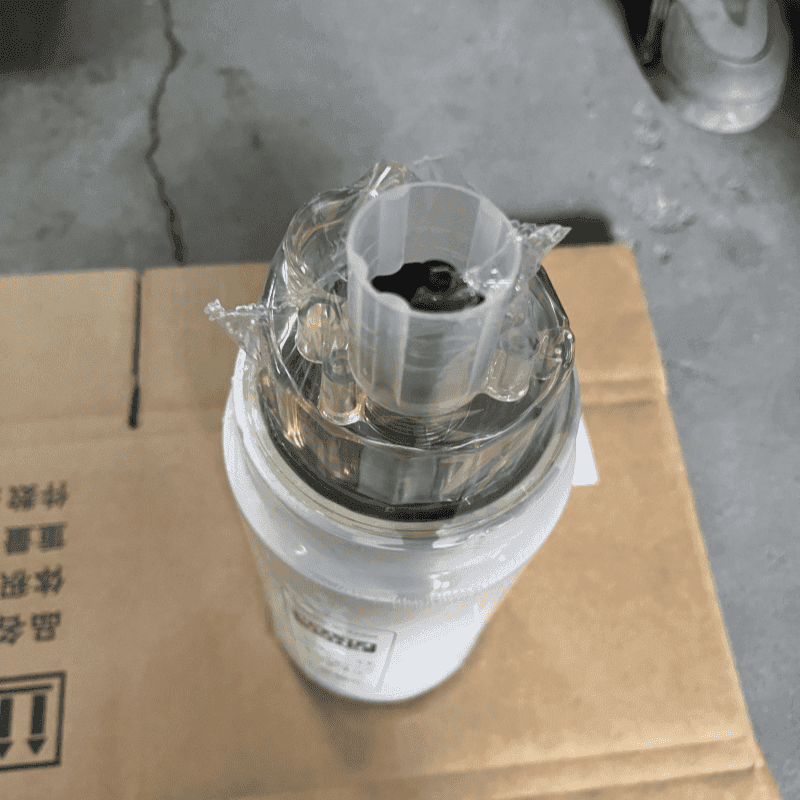
As particles accumulate inside the filter media, resistance to airflow can increase.
The engine still attempts to draw the air required for operation, but a significantly restricted intake creates a larger pressure difference across the filter.
In systems equipped with an intake restriction indicator, this condition may be monitored directly.
Operating symptoms can vary with engine design and control strategy. Possible observations may include changes in engine response or other intake-related behavior, but these symptoms should never be attributed automatically to the filter.
A diesel engine depends on several systems at the same time.
Fuel delivery, turbocharger operation, charge-air connections, exhaust conditions, sensors, and electronic controls can produce symptoms that overlap with intake restriction.
That means a restricted engine air filter should be confirmed through inspection or suitable diagnostic information rather than through guesswork.
The filter is a logical place to inspect, not an automatic diagnosis.
Common Signs an Engine Air Filter Needs Inspection
One obvious reason for inspection is a restriction indication where the intake system includes a suitable indicator.
Visible filter condition can provide another clue.
Heavy contamination, damaged pleats, collapsed media, distorted end caps, damaged sealing surfaces, or evidence that material has entered the clean side of the housing all deserve attention.
Recurring contamination is particularly useful diagnostic information.
If a filter becomes unusually dirty repeatedly, the problem may involve the truck’s operating environment, intake position, housing condition, or another upstream factor.
Changes in engine behavior can also justify inspecting the intake system, particularly when they appear under higher airflow demand.
However, the filter should remain one part of the diagnostic process rather than the assumed cause.
A useful sequence is:
observe the symptom → inspect the filter → inspect the housing → inspect the ducts → evaluate the wider intake system.
This approach reduces the risk of replacing a component without understanding the underlying condition.
Why Filter Sealing Is as Important as Filter Media
One of the most important aspects of engine air filter maintenance is also one of the easiest to overlook: sealing.
Air follows the path of least resistance.
If a gap develops between the filter and its housing, some intake air may travel around the filter media instead of through it.
This bypass path is problematic because contamination can enter downstream without passing through the designed filtration surface.
Possible causes include an incorrectly installed filter, damaged seal, distorted element, contaminated sealing surface, damaged housing, or incorrect filter dimensions.
For this reason, installation should include more than placing the element inside the housing.
The sealing surface should be clean and intact. The element should seat naturally without excessive force. Covers should close correctly, and retaining mechanisms should hold the filter in its designed position.
After installation, the technician should be able to answer two questions:
Is the element correct?
Is all intake air being directed through it?
Both are necessary for effective filtration.
The Relationship Between the Engine Air Filter and Turbocharger
On a turbocharged diesel engine, filtered air normally reaches the compressor side of the turbocharger before entering the cylinders.
That makes the engine air filter an important upstream protective component for the turbocharger.
The compressor wheel operates at high rotational speed. Its blade geometry is designed to move air efficiently, and contamination entering the compressor can interact with those surfaces repeatedly.
The intake system between the filter and turbocharger therefore deserves careful inspection.
Cracked hoses, damaged ducts, loose clamps, or poorly sealed connections can create an unfiltered-air path downstream of the filter.
This explains why replacing the filter alone does not guarantee that the turbocharger is receiving clean air.
When abnormal contamination appears inside intake piping or around the compressor inlet, the entire upstream system should be inspected for possible entry points.
Filter condition and intake integrity should always be considered together.
Why Dusty Operating Conditions Change Inspection Needs
Engine air filter maintenance should reflect how and where the truck operates.
A vehicle regularly exposed to high levels of airborne dust places different demands on its filtration system than a vehicle operating in relatively clean conditions.
This is why one universal inspection interval cannot describe every real-world application.
Duty cycle also matters.
A truck operating for extended periods in dusty environments may draw large quantities of contaminated air through the intake system. Repeated operation around loose material or unsealed surfaces can increase the amount of debris presented to the filter.
Rather than assuming that every filter should receive attention at exactly the same point, a more practical maintenance program considers:
operating environment, engine usage, intake restriction information, previous filter condition, and manufacturer guidance.
Maintenance history can be particularly useful.
If inspection records consistently show rapid contamination under a specific operating pattern, the inspection schedule can reflect that real experience.
That is more informative than treating every truck identically.
How to Inspect an Engine Air Filter Correctly
Begin with the exterior intake system before opening the filter housing.
Check the intake opening for obstruction or damage. Inspect visible ducts and connections for cracks, loose clamps, rubbing, or deformation.
Next, examine the filter housing.
Before removing the element, observe whether the cover is secured correctly and whether there are signs of dust entering around sealing areas.
Remove the element carefully so that accumulated contamination is not unnecessarily released into the clean side of the housing.
Inspect the filter media for damaged or distorted sections. Check end caps and sealing surfaces. Look for evidence that the element has been installed incorrectly or has shifted inside the housing.
Then inspect the clean side.
Unexpected dust downstream of the filter deserves investigation because it may indicate a sealing or intake-system problem.
Before installation, make sure the housing sealing area is in suitable condition and that the correct element seats properly.
Finally, recheck ducts, clamps, and connections after the housing has been closed.
A proper filter inspection therefore extends from the intake opening all the way to the clean-air duct.
When Cleaning an Engine Air Filter Can Create Problems
A visibly dusty filter often creates the temptation to remove contamination aggressively, but not every filter is designed for repeated cleaning.
Filter media contains a carefully formed structure intended to capture particles while maintaining airflow. Excessive mechanical force, unsuitable compressed-air practices, washing, or other inappropriate methods can damage that structure even when the damage is difficult to see.
A small tear or distorted area can create a local path for contaminants.
Cleaning can also damage sealing surfaces or spread contamination onto the clean side of the filter.
Maintenance procedures should therefore follow the design of the specific filter element and applicable manufacturer guidance.
If a filter is not intended to be serviced in a particular way, an improvised cleaning method can undermine the very function the filter is supposed to provide.
The correct question is not:
Can the visible dust be removed?
It is:
Can the filter continue to perform its designed filtration and sealing functions after the maintenance procedure?
That distinction is important.
How to Identify the Correct Replacement Engine Air Filter
An engine air filter should be selected according to the actual intake system rather than general appearance.
Begin with the engine and truck application.
Record any existing filter reference, OEM number, housing reference, or other readable identification. Then compare the physical features that determine fitment.
Important characteristics can include:
- overall length and diameter
- inner diameter
- end-cap design
- sealing position
- media configuration
- housing interface
- primary or secondary element position
Filters that appear similar can differ in one or more of these dimensions.
An element that is slightly different in size may fit inside the housing while failing to seal correctly. That can be more serious than an element that obviously does not fit because the problem may remain hidden after installation.
Compatibility should therefore be confirmed through part information and physical interfaces, not appearance alone.
A Five-Point Engine Air Filter Maintenance Framework
A useful way to standardize inspection is the ESHIR method:
Element, Seal, Housing, Intake Path, Restriction.
Element asks whether the filter media and structural components remain suitable for their intended function.
Seal asks whether all intake air is being directed through the media rather than around it.
Housing asks whether the enclosure, cover, retaining system, and sealing areas remain intact.
Intake Path extends the inspection beyond the filter to ducts, clamps, connections, and the clean-air route toward the engine.
Restriction asks whether airflow resistance remains within the intended operating condition.
The strength of this framework is that it prevents maintenance from becoming a one-part inspection.
A technician who checks only the element may miss a cracked duct. Someone who checks only restriction may overlook a poor seal.
All five areas work together to protect the intake system.
Common Engine Air Filter Maintenance Mistakes
The first mistake is judging filter condition only by visible dirt.
Appearance provides useful information, but restriction, structural condition, sealing, and application guidance also matter.
Another mistake is ignoring the housing.
Dust around an improperly fitted cover, damaged sealing surface, or distorted housing can create problems even with the correct filter element installed.
A third mistake is assuming tighter is always better.
If a filter requires excessive force to enter the housing or close the cover, compatibility and positioning should be rechecked rather than forcing the assembly together.
Cleaning the housing carelessly can also introduce contamination into the clean-air side.
Another common mistake is ignoring downstream intake ducts.
A perfectly installed filter cannot protect the engine from contamination entering through a crack between the filter and turbocharger.
Finally, replacing a repeatedly contaminated filter without asking why it becomes contaminated so quickly misses useful maintenance information.
Patterns matter. Repeated conditions can reveal more than a single inspection.
How Preventive Air Intake Inspection Supports Engine Reliability
The most effective filter maintenance programs treat filtration as preventive engine protection.
Inspecting the air intake allows developing issues to be identified before they become more complicated downstream.
Filter condition reveals what the intake system has encountered. Housing condition reveals whether the element can perform correctly. Duct condition shows whether filtered air remains protected on its way toward the engine.
Maintenance records add another level of insight.
Recording filter condition, operating environment, restriction readings where available, and unusual findings allows technicians to compare one inspection with the next.
Over time, this creates useful information about how the vehicle actually operates.
Preventive inspection should therefore focus not only on the question “Does this filter need attention?” but also on “What is the intake system telling us about the truck’s operating conditions?”
That broader question produces better maintenance decisions.
Conclusion
The engine air filter is the first major protective barrier in a truck’s intake system. Its role is to capture airborne contaminants while allowing the engine to receive the airflow needed for combustion.
Effective maintenance depends on more than inspecting the filter media.
The element, sealing surfaces, housing, intake ducts, clamps, restriction condition, and downstream connections all contribute to filtration performance. A damaged seal can bypass an otherwise functional element, while a cracked clean-air duct can allow contaminants to enter after filtration has already taken place.
For that reason, the most useful approach is system-based: inspect the engine air filter, then follow the air path toward the engine.
When filter condition, sealing, airflow, and intake integrity are evaluated together, maintenance becomes more accurate and the filtration system can perform its intended protective role.
FAQ
What does an engine air filter do?
An engine air filter removes dust and other airborne particles before intake air reaches the engine. It helps protect cylinders, turbocharger components, valves, and other downstream parts while still allowing sufficient airflow for normal combustion and engine operation.
How can I tell if an engine air filter needs inspection?
Check restriction information where available and inspect the element for heavy contamination, damaged media, distortion, or sealing problems. Changes in engine behavior can justify intake inspection, but symptoms should be evaluated with the complete air, fuel, and engine systems.
Can a dirty engine air filter affect engine airflow?
As contamination accumulates in filter media, airflow resistance can increase. The actual effect depends on filter condition and engine demand. Restriction indicators, inspection findings, and applicable maintenance guidance provide stronger evidence than judging the filter only by its visible appearance.
How do I identify the correct engine air filter?
Use the truck and engine application together with the existing part reference or OEM number. Confirm dimensions, end-cap design, sealing surfaces, housing interface, and element position. A filter that appears similar but does not seal correctly should not be treated as compatible.
Does an engine air filter help protect the turbocharger?
Yes. On turbocharged engines, intake air generally passes through the filter before reaching the compressor. Effective filtration and sealed downstream ducting help limit abrasive contamination from entering the turbocharger, so the filter, housing, clamps, and intake hoses should be inspected together.
Need Help Choosing the Right Engine Air Filter?
If you’re unsure which engine air filter matches your truck, engine model, filter housing, or OEM reference, our team can help review the available component information and fitment details. Accurate identification helps maintain a properly sealed intake path and dependable engine protection. Contact our engine parts team for professional compatibility support.